Bring some fun and engagement back into your lessons
This post includes affiliate links.
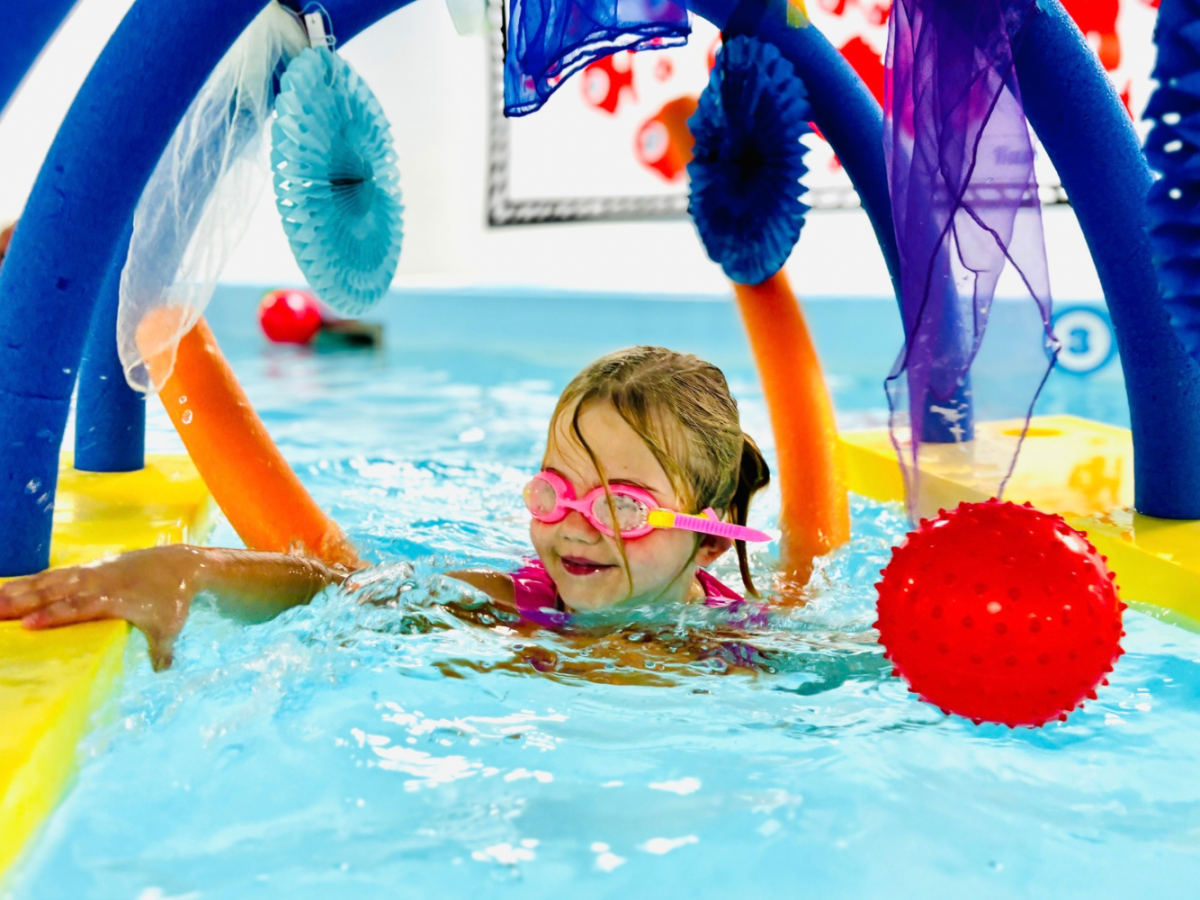
I blogged this week about letting children have some down-time in the pool. Another great way to give children’s brains what they need to learn is through play. You can encourage engagement and a love for swimming by bringing a bit of fun back into your lessons!
Often with after-school swim programmes and schools swimming, we get so focused on stroke improvement that sometimes forget that children need to love actually coming to our lessons, especially if we want them to continue to lean towards aquatics throughout their lives.
Not only can you try to inject play and creativity into the way you present your teaching points but often starting lessons with a bit of fun can promote focus, engagement, listening and therefore learning!
Here are some of the games I have played recently with my primary schools.
Colour-Focused Treasure Hunt
Skills: Water confidence, breathing, retrieve from pool floor, problem-solving, memory retention, focus
I’ve had these treasure sinkers for years and they’re a favourite. Don’t just chuck them in and ask kids to get them (incoming head bumps!) – give each swimmer a challenge, for example, “Daisy, you have to find pink and Ewan, you have to find purple”, and see if you can find it before the timer ends. A great game if you have some swimmers still learning or consolidating feeling confident going underwater.
Catch and Speak
Skills: Listening, proprioception, movement, coordination, vertical rotation, throw and catch (water polo basics)
I love this at the start of a lesson as it demands that everyone has quiet voices and is concentrating on the teacher and what is around them. It’s basic throw and catch as a group. Ask children to find a space in the pool. If they hear their name, they have to catch the ball. When they have the ball in their hand, this activates their voice and they can now (only now!) be the one to speak and call our someone else’s name. Keeps everybody ultra quiet and focused on the game because if not, they will miss their name being called. I use fun beach balls.
Three Ball Chaos (or Four, or Five!)
Skills: Same as above
Same game, more balls! If the children are doing really well at concentrating and not letting the ball drop, then you’ll throw another into the mix. And maybe another. They have to keep chatter quieter than ever because there will now be multiple names being called! Kids love the incentive to concentrate as it results in more balls, more challenge, more chaos, more fun!
10 Second Challenges
Skills: Kicking, floating, treading water, bubbles, (anything, really!), maths (counting)
Guaranteed to turn any swim instruction into a fun challenge. Float for 10 seconds, kick without touching the floor for 10 seconds, tread water and spin for 10 seconds. Insert whatever you’re trying to achieve here. Use visual timers, hands or song to count down.
Splash the Teacher
Skills: Kicking, propulsion, muscle warm-up
I had lots of slow-moving legs in the pool this week, with winter fatigue setting in. Splash the teacher for 30 seconds whilst holding the side is my favourite warm up, as it boosts the class energy, activates kicks and guaranteed cheeky laughs all round when I pretend that I didn’t want to get wet from the side!
Pool is Lava Ball Challenge
Skills: Water polo basics, treading water, sculling, coordination, vertical rotation, focus, teamwork
Another ball game because they are my aquatic obsession at the moment. Everyone sit on a pool noodle like a bicycle, swim wherever you like but keep your eye on the ball coming because you must work together to keep it off the water as you throw and catch to each other. Lets children learn to take hands off the noodle if they’re feeling nervous to do that, you might notice some of them use a sculling hand to turn, tread water or move for the first time.
Turtle Race
Skills: Floating, sculling
I turned sculling for beginners into a fun challenge this week by pretending we were all turtles floating on our backs, but we had to race across the sea by just using our flippers (hands). A great visual for younger kids trying sculling for the first time. Keep your teaching points simple and age appropriate – a four year old might struggle with “figure of eight hands waving at the direction of your feet” but suddenly experience some propulsion from their arms if you instead challenge them to “flap their penguin wings” or “wave their turtle flippers”.
Noodle Race (Pairs)
Skills: Kicking, propulsion, muscle warm-up, teamwork, endurance
You’ve seen this one before, it’s such fun for stronger swimmers. Two swimmers swim side by side, hold the noodle and push it out with straight arms so it is completely straight. You could have three children to a noodle if the noodles are long enough. Faces in, then kick together to race the other pairs to the other other side of the pool
Glide Challenge (Cones)
Skills: Alignment, water confidence, gliding
Another obsession of mine is alignment as I notice slow stroke progression in later levels due to not enough time spent on the exact correct position in earlier stages. That’s why, for me, glides all day! Challenge swimmers to reach certain cones in the distance by pushing off the wall with their feet but the rest of their body needs to be in the perfect position. Not reaching the colour they want? This is where you can offer your tweaks to perfect their streamlined positions – the cause and effect of reaching further cones when they adjust their bodies allows them to learn the corrections.
Stop / Go
Skills: Listening, focus, propulsion, kicking
Again, turn literally any technique that has not reached the right consistency level yet into a fun challenge. Turns the listening ears on as children have to keep an ear out for you yelling ‘stop’ or ‘freeze’. Use music and turn it into aquatic musical statues or hold up something red when you want them to stop and green when you want them to go.