
Drowning in the frantic festivities might not be the optimum time for swim progress
This is not the best time of year for children to be hitting their swim milestones. Right now, they’re actually heading into a period of huge sensory overwhelm, a time of the year when their diaries, bodies and brains are already full.
I had a chat with my best friend this morning about how Christmas felt very different in the 80s. When I was a child, December meant one small school nativity (comprised of an angel costume made from a blanket and a bit of tinsel!) and perhaps a non-scheduled trip to say hello to Santa at the local shopping centre. Evenings were relaxed and uneventful, leaving ample time to decorate the tree, read Christmas books, write cards to my classmates or partake in a Christmas jigsaw (my personal favourite and non-negotiable tradition).
Fast forward to today and at my son’s school there are two Christmas raffles, an in-demand grotto experience (that requires pre-booking), a carol concert they’re rehearsing for, a church service (they’re also rehearsing for), card-giving moments, costumes to source, gifts to buy for staff and multiple nativity performances, some quite late into the evening. Then there’s the shopping, the decorating, the hosting. The social events and travelling to see family. The local Christmas tree switch on, visual light displays, and annual ticketed experiences. Regular foods that are now Christmas themed, supermarkets decorated from October, Christmas activity books, staged photo opportunities, trends like Elf on the Shelf… and so much more. And, hang on, when did we suddenly find it necessary to buy Christmas bedding?!
All of this means that sensory-wise, children are taking in a lot. New sights, sounds, smells, lights, tastes, music, faces, conversations. Late nights and evening commitments. All of this outside of their usual routines. And some of this starts in early November and lasts for 6 weeks. Add cold weather, gloomy skies, seasonal bugs, snotty noses and dark evenings, and it’s a lot for little nervous systems to process. All at a time when Mother Nature and her seasons would actually urge living beings to nest in, to slow down and rest.
So as we head into December, remember that some sensory systems might be working overtime, some emotional buckets are fuller than usual, and some brains may simply not have the capacity to give you their “best” (as an ADHD individual especially, I am going to lump myself into that category!). Don’t be too hard on swimmers if:
- They are struggling to process instruction
- They have heightened or unpredictable emotions
- Progress and objectives are taking longer to achieve
- They need fewer teaching points and less pressure
- They need more quiet moments, breaks and time to rest
We don’t need any more Christmas-themed lesson plan ideas, we need to give children the opportunity to step off the treadmill of Christmas, just for 30 minutes. I overheard a swimming teacher this week say “they’re all just not listening!” – they’re not ‘not listening’, their brains just aren’t being given the chance to make space for listening.
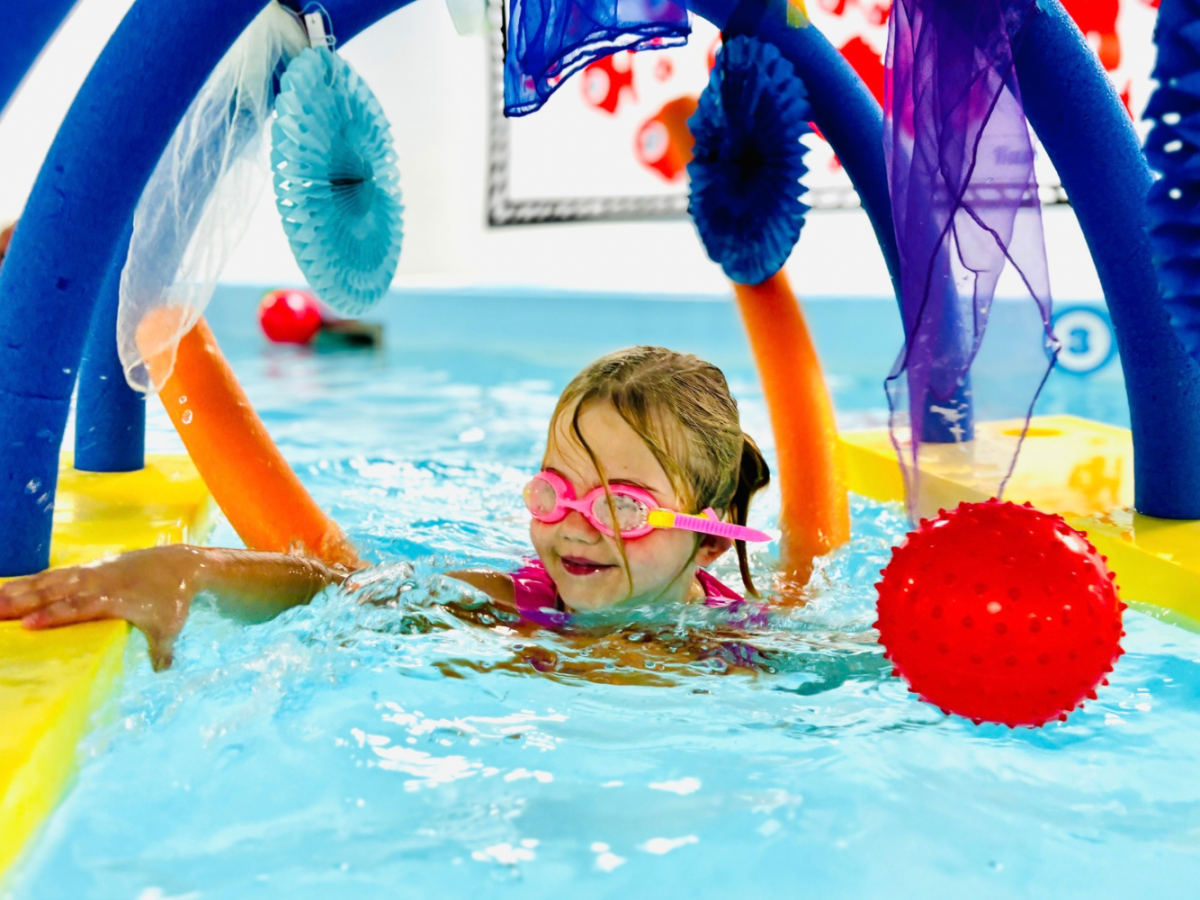
My advice? Don’t cram your swim programmes with too many Christmas-themed games, visuals and stimulation. They’ve got that in abundance in the outside world. Let the calming nature of water do what it does best, what children need it for during this season of chaos and excitement.
- Slow down the pace of your lessons
- Strip things back equipment wise
- Go minimal on songs and noise if you can
- Let children lead and direct
- Allow them to go at their own pace, choose their speed
- Opt for slower strokes – e.g. breaststroke over front crawl
- Allow floating, with and without equipment
- Play gentle games that encourage calming sensory noises like bubbles or trickles
- Avoid races and speed, save these for a time when seasonal energy is high
- Prioritise underwater activities to aid regulation
- Be ready to adapt your lesson plan in the moment
- Choose January as a time to track stroke progression
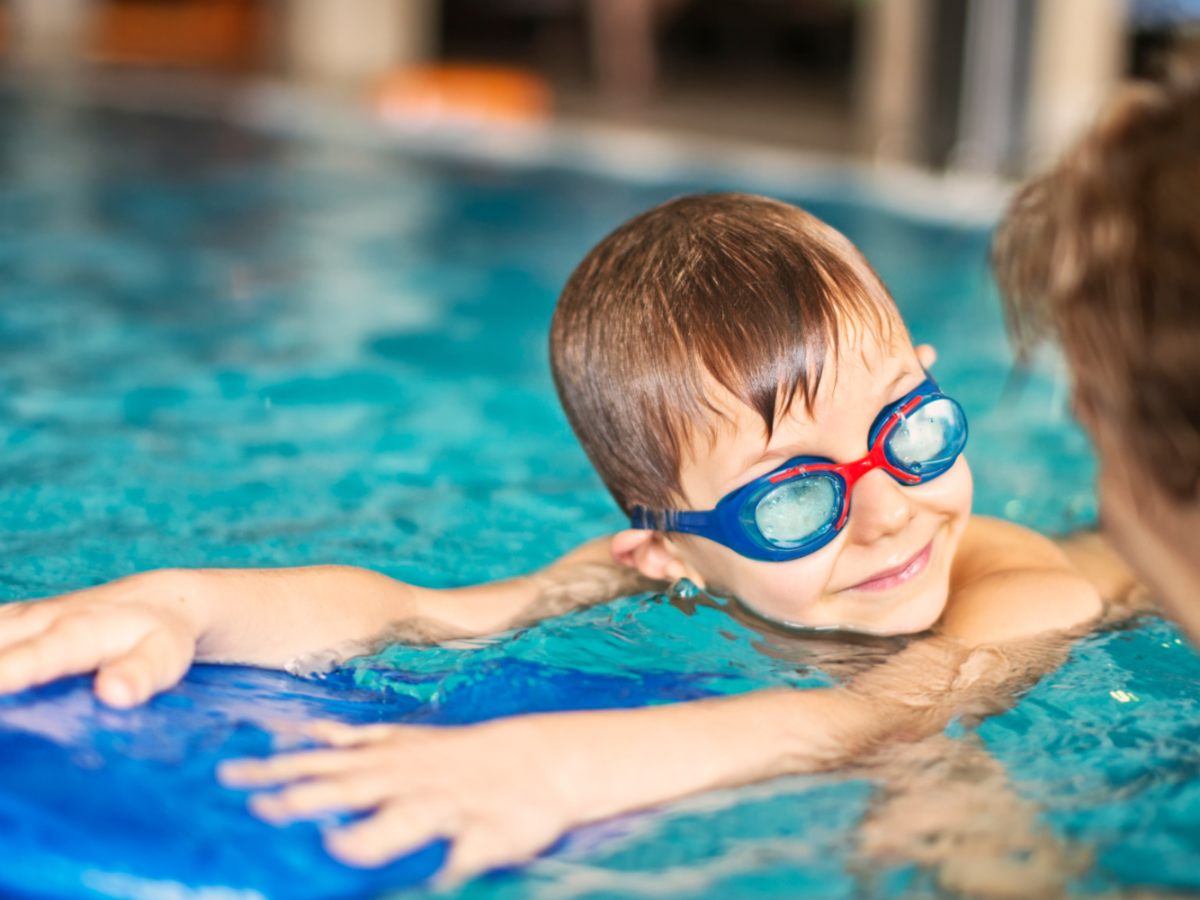
Let the pool and its relaxing waves be a place where they can escape it all – a place to regulate, release, rest and recuperate.
Photos: Canva