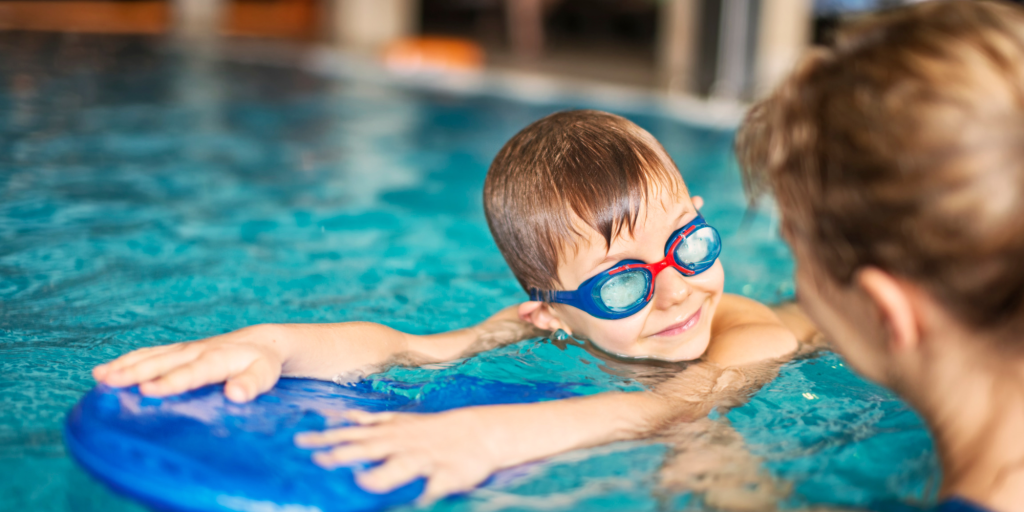
Why I think that being friendly is more important than being the best
Perhaps the measure of a really great swimming teacher isn’t simply how quickly we can get a child swimming a perfect stroke, perhaps it’s whether that child walks out of the pool and says “I just can’t wait to come back next week.”
When I first trained as a swimming teacher, one of my biggest mentors, Jo from Aqua Sensory, told me: “people will leave a swimming lesson remembering how it FELT, more so than what they did.” Years later, that advice has stayed firmly in my head. And I believe that our industry needs it now more than ever.
As aquatics professionals, we’re regularly reading research and reports about how children are dropping out of swimming lessons too far early. Sometimes, parents understandably feel that once their child can swim a short distance, they have achieved what they need to achieve. But we know that continued practise is needed to develop skills and stamina for open water conditions, to ensure that children are reaching (and then maintaining as they age) at least the required proficiency for the UK’s swimming and water safety national curriculum. We also know that swimming regularly, for all ages, has huge lifelong benefits for physical and mental health.
As swim teachers, we are there to support a child to develop swim skills as quick as possible but we also have another important job – to create a lifelong positive association with swimming. If a child enjoys coming to their lesson and feels good when they’re there, they’re far more likely to want to come back next week. And the week after that. And the week after that.
Admittedly, swimming can sometimes feel repetitive compared to other sports. It is also often a very individual activity and so, depending on the lesson, it can lack some of the teamwork, games, celebrations and social interaction that children might experience in, say, their football club, for example. That’s why, as an industry, we have to work even harder to create a deep engagement with our sport, an engagement that also lasts through adolescence and beyond. We need to get children, of all ages, to want to keep swimming.
And I think that it can all start with a smile.
Engagement
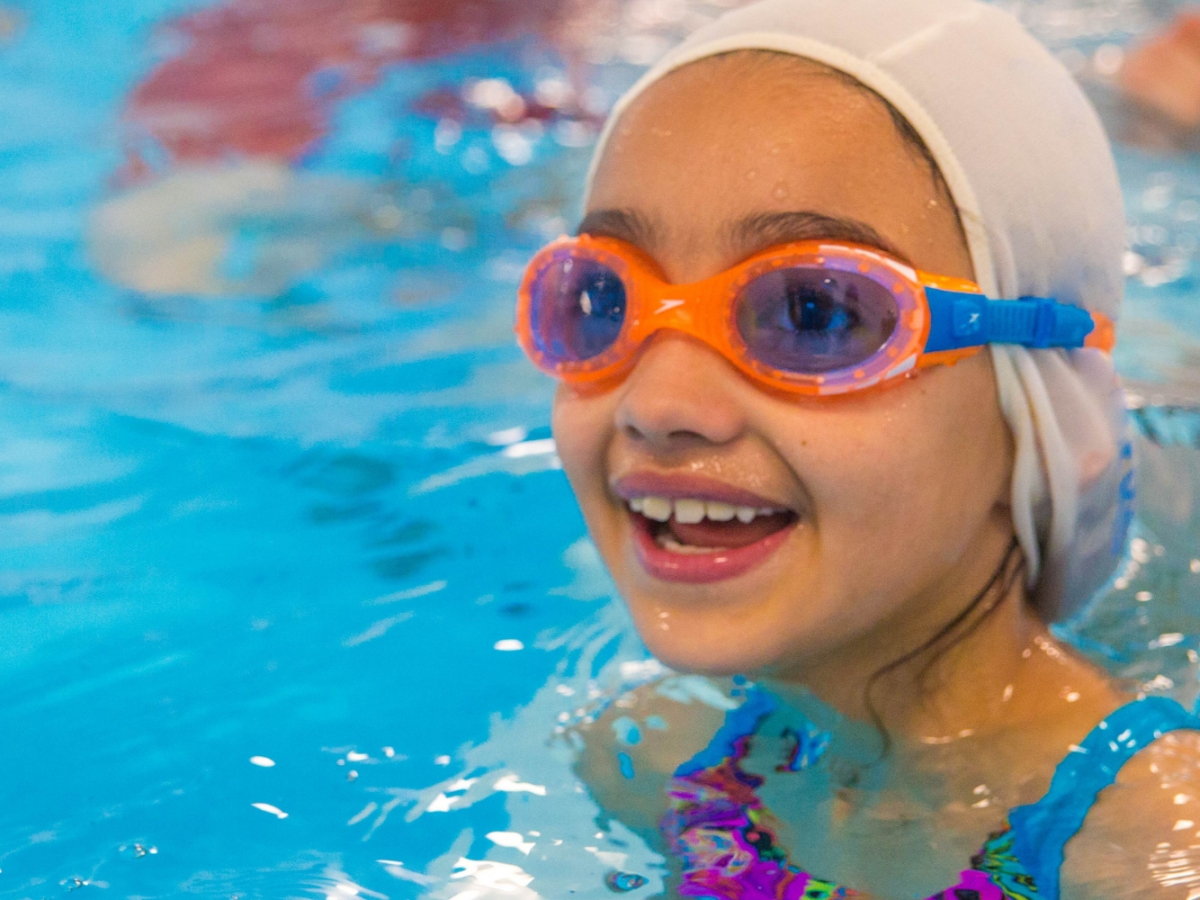
Engagement begins with us – smiles, high fives, an upbeat tone of voice, using their names, noticing the little things, acknowledging the accomplishments. Praise is a huge part of learning (personalised praise can go even further) – don’t forget to talk about what swimmers are doing right just as much as making corrections when they’re ‘doing it wrong’. Make them feel proud of themselves.
Fun
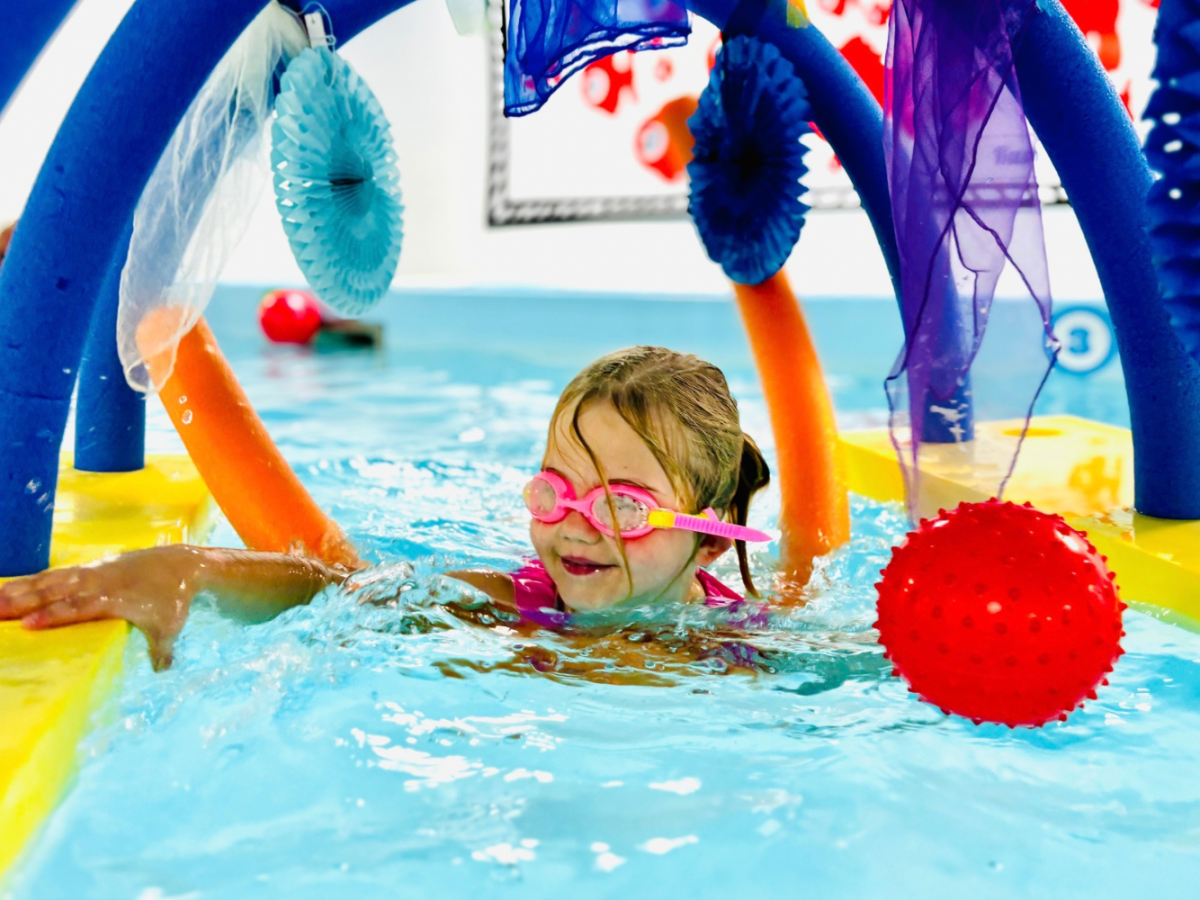
Research is constantly telling us that, especially before the age of 8, children learn more effectively through play. Introduce an element of structured fun to your warm-ups, teach skills as part of games and use creative language – not only will this accelerate learning but these little moments of joy can be the reason they want to come swimming again. It may be tiny changes such as reframing “perform a push and glide” into “let’s see who can super rocket boost all the way through the mermaid hoop!” Swimming can be very serious and personally I do like to drop a little bit of silly into it if I can. Fun doesn’t mean we’re not teaching. Sometimes, fun is how we’re teaching.
Connection
Children need positive interaction with other human beings, perhaps now more than ever. We’re living in a world where children are spending more time interacting with screens and digital devices, and there are growing concerns about what reduced face-to-face interaction might mean for opportunities to practise communication, conversation and social skills. Swimming pools are one of the last remaining screen-free places in the society and so swimming lessons can offer something wonderfully simple – a chance to say hello, to look someone in the eye, to ask for something, to say please and thank you, to have a little conversation, to say goodbye. As a parent choosing sports coaches for my own 7 year old, I know that I’d rather have the newly-qualified teacher who asks him how his day was than the best teacher in the world who doesn’t offer a hello. I know that without that basic engagement each week, lack of motivation to go to the lessons could begin. For some children, those moments of connection are just as valuable as the swimming skills we’re teaching.
Making an impact
Learning to swim with good technique is something I’m incredibly passionate about. I want my swimmers to develop strong, efficient strokes and become confident, capable swimmers. But in between the stroke corrections, the complex drills and the technical feedback, I invite you to look for opportunities to make children feel good. Tell them when they’ve done something brilliantly, celebrate the tiny wins, make them feel seen. Let them splash every now and then, give them a high five, have a laugh together.
Perhaps the measure of a really great swimming teacher isn’t simply how quickly we can get a child swimming a perfect stroke, perhaps it’s whether that child walks out of the pool and says “I just can’t wait to come back next week.”
Photos: Canva