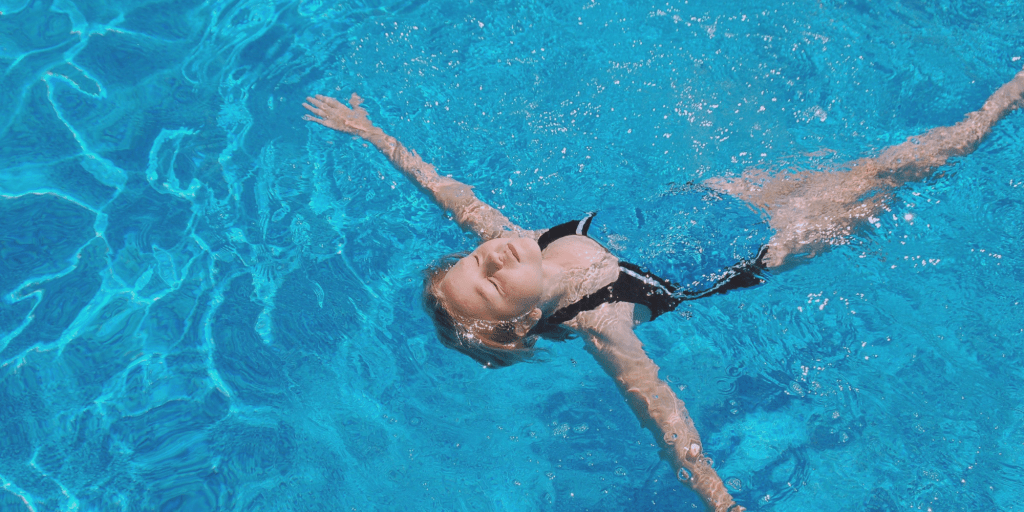
These new FREE flash cards communicate the main water safety messages to key groups
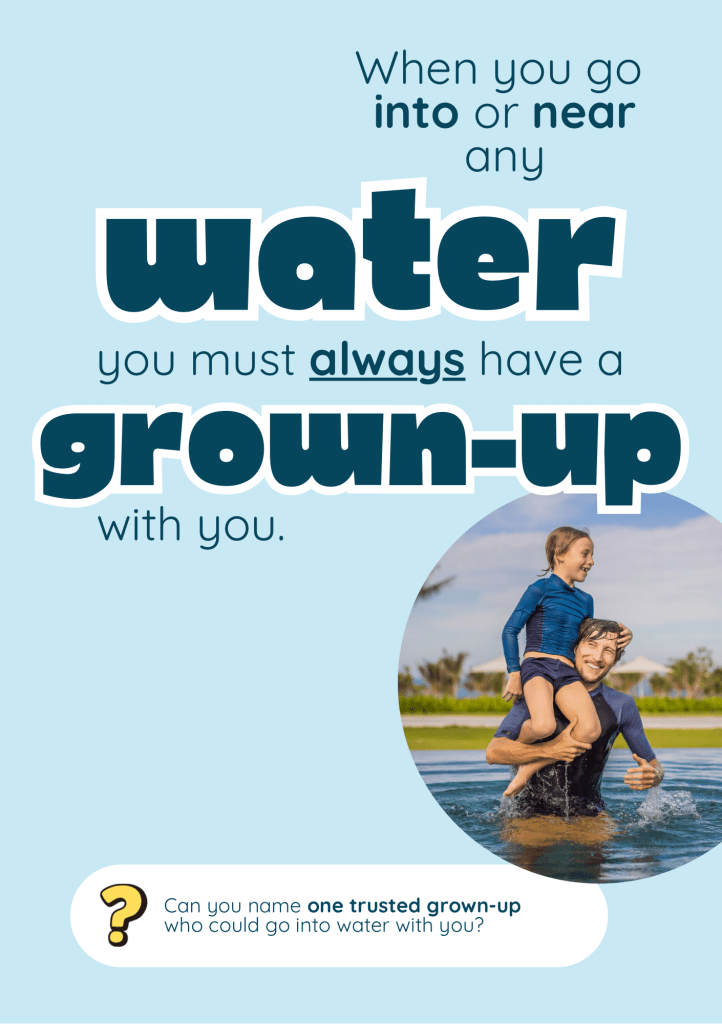
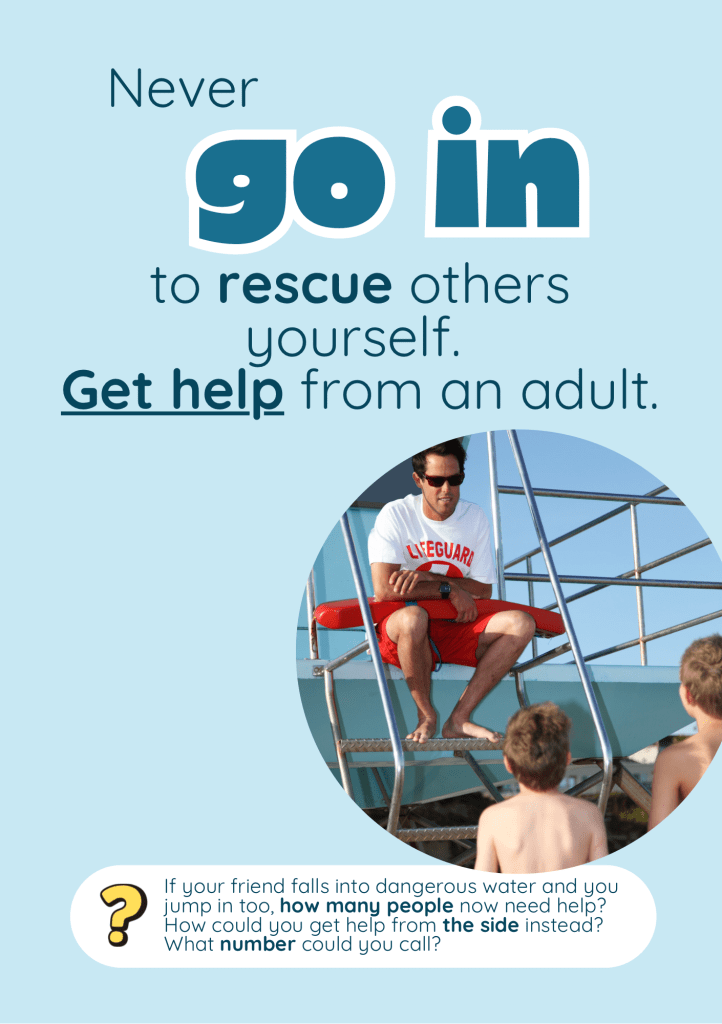
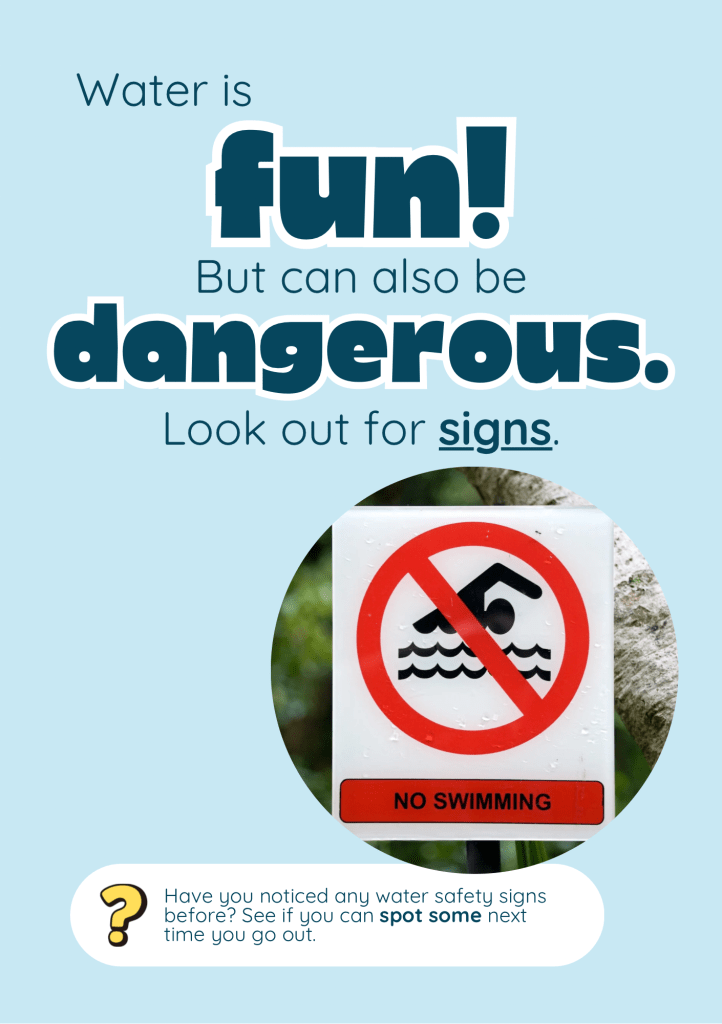
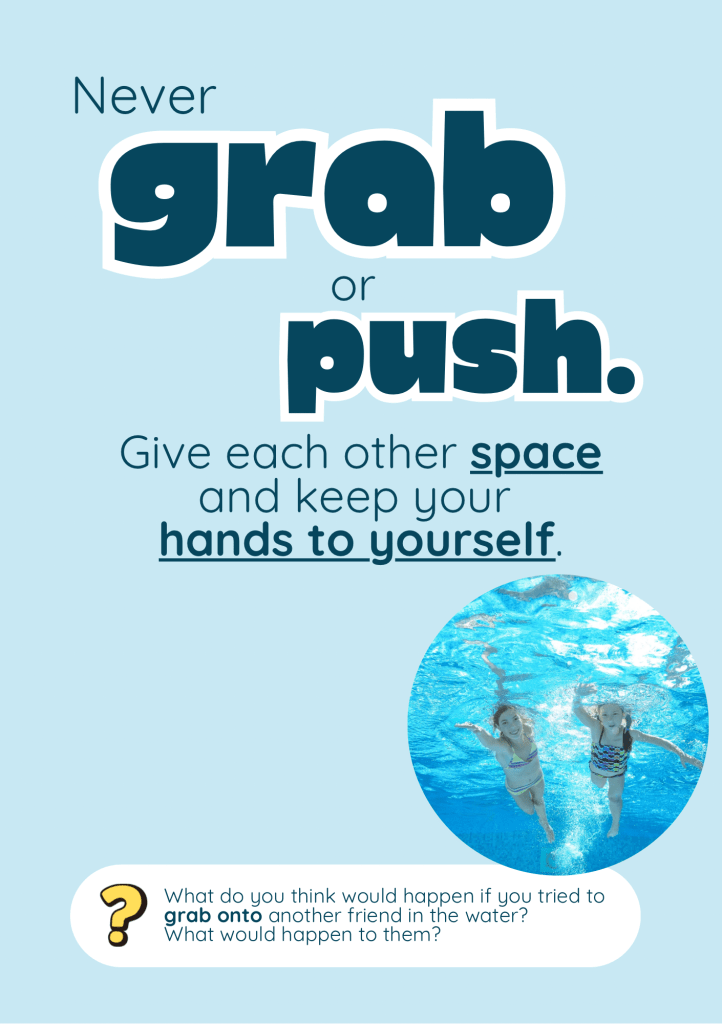
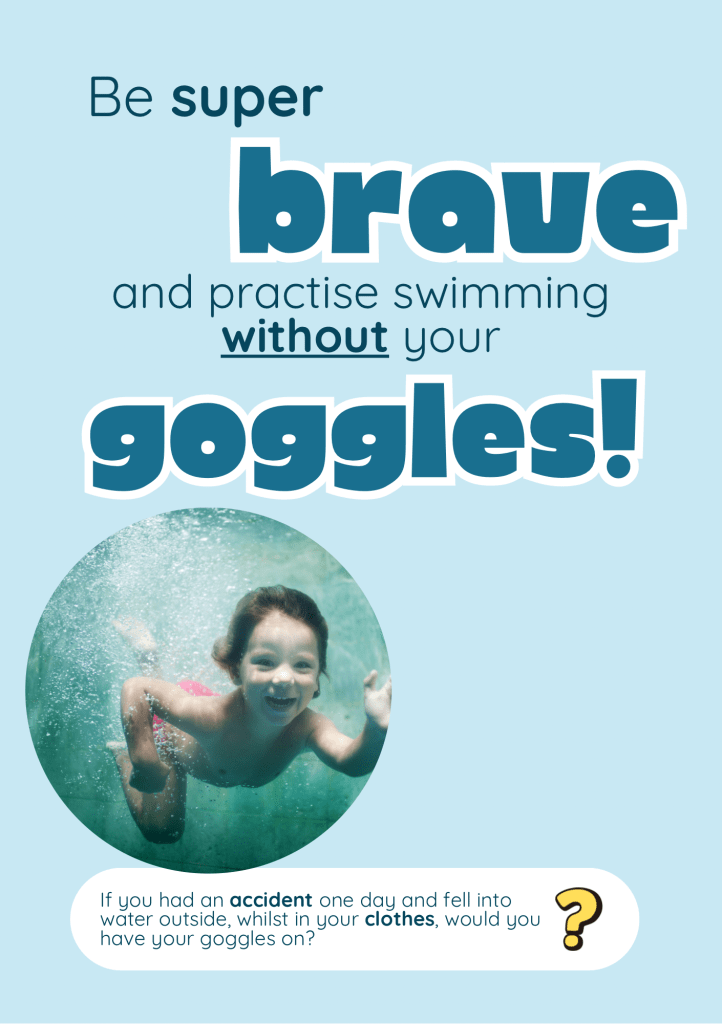
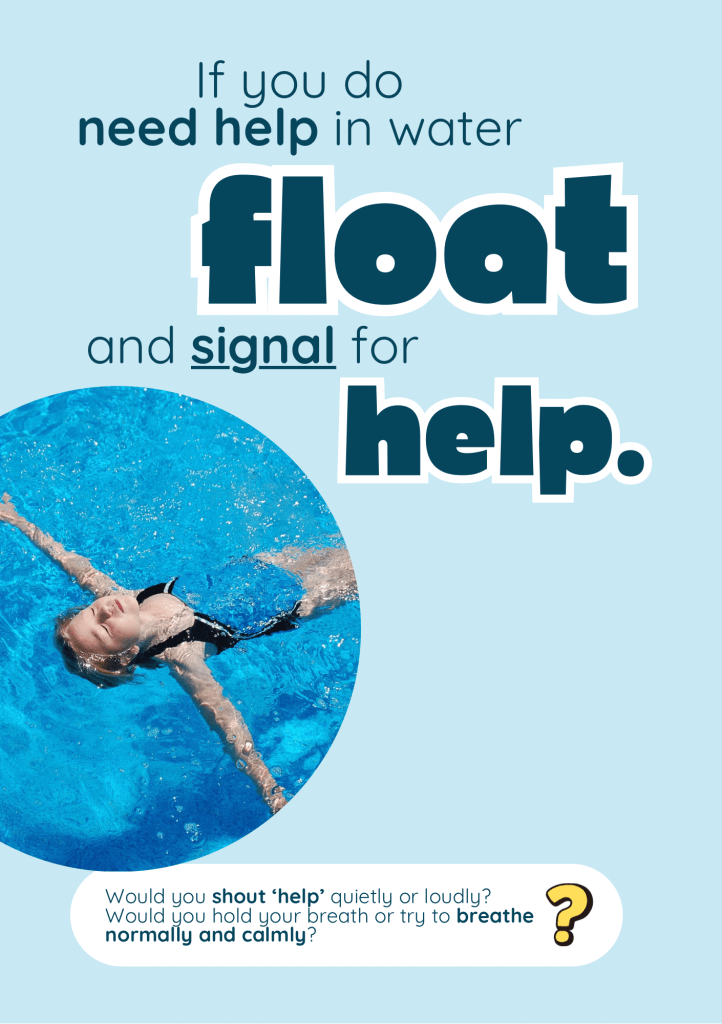
I’m delighted to launch these new FREE downloadable flash cards for children – there are x16 A5 postcards each with a simple message and discussion point for water safety.
They’re designed for 3-8 year olds primarily and are great for visual learners and neurodivergent children. They don’t replace the all-important national curriculum for water safety that will be taught in schools and you will notice they they do not include every curriculum target. These flash cards are designed to be an introductory, digestible starting point for children to engage with the concept of being safe around water – mainly for those in reception and KS1.
Parents can use these to discuss water safety to young children. In primary school, they may recap in a non-aquatic environment what may have been covered in school swim lessons. As swim teachers, each card may act as a prompt for swimming lesson themes and group discussion.
These flash cards can kick start some engagement and exploration on a very important topic. Nine lives were lost in water related incidents this May half-term, reminding us that these conversations are important and can never start too early on in a child’s life.
Communication is everything
With a background in communications, I am interested in how we tailor complex messaging to a wide audience. There’s a lot within the national curriculum for swimming and water safety and there’s an argument that we need to simplify some messaging for specific groups, including those who might not be able to navigate long sentences, understand statistics, process complicated visuals or absorb information relayed in the sensory-overwhelm of a pool environment.
The drowning prevention industry has a difficult task – needing to vehemently convey life-saving information and statistics whilst at the same time ensuring that every single person in the country (as drowning can effect anyone) understands and engages easily. Might I add, in a world where we are already completely overwhelmed by messaging, everywhere we turn.
Important groups
With vast experience in marketing accessibility, I am passionate about opening a discussion around whether certain groups (often those most at risk from accidental drowning) could potentially be alienated by national drowning messaging:
- Young children
- Those with SEND (ADHD, autism, dyslexia, dyscalculia, learning difficulties, processing disorders)
- Those with a low reading age or low literacy skills
- Those with short attention spans
- Children struggling to process overwhelm from school, those with PDA and EBSA
- Those with aqua phobia who may mentally switch off water or drowning jargon
- Those with English as their second language
These simple flash cards are for them.
Realtime safety assessment
As a swimming teacher, as well as using these flash cards as discussion and engagement prompts in your lesson, I invite you to continually assess in realtime which children you think need the most support with learning safety. You will be able to identify which children are climbing in without their parents (or without your go-ahead), which are running through the door and jumping in without hesitation. Use the cards and dedicate time poolside to go over them, practise safe entrances and encourage ‘at-risk’ participants to engage and answer (“Why do you think you always need a grown-up with you?”).
Extra guidance
I have added water safety themes into these flash cards which are perhaps less prioritised in our safety swimming lessons – feeling cold, not copying others and one of the single biggest ‘issues’ I observe at the moment which is children grabbing onto each other (and accidental dunking) whilst playing in the water. Perhaps they love wrestling as friends or they have been used to climbing on a parent in their preschool lessons – I quite often talk to them about why having physical interaction in water, especially deep water, is not OK.
Another huge element of water safety which I remain continually fascinated by is acclimatisation to swimming without goggles. The Swim England guidance for the national curriculum states that “all water safety and safe self-rescue skills should be performed and assessed without the use of goggles.” Are teachers ensuring this consistently across lessons? It’s something we prioritise in baby and preschool swimming and as children continue into more advanced classes, prompt them to practise underwater activities without their goggles. It can quickly become a huge challenge and is something we must ensure all children work through, irregardless of their sensory preferences (there are many SEND-friendly ideas and approaches out there).
Be safe
On a final note, these flashcards, of course, do not replace continued diligent supervision. Never let children near water alone. Even as an adult, always swim with a friend.
Photos: Canva